

by Wendy Muir and Jose Quinteros
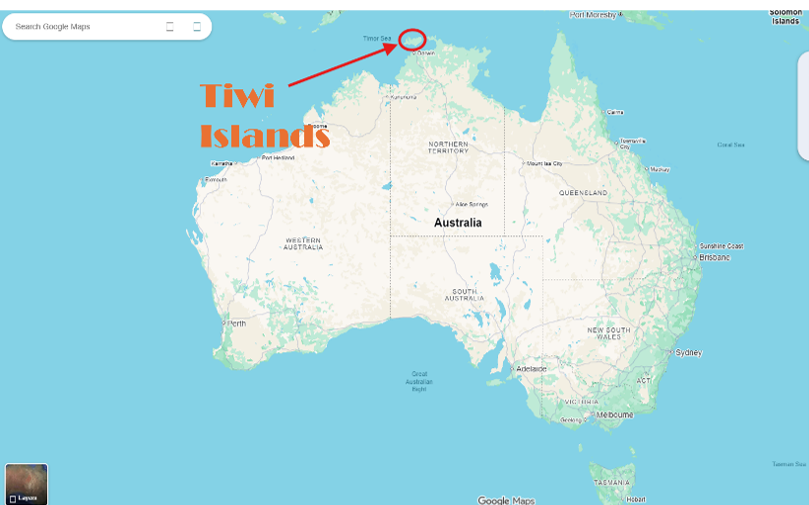
A small layer flock (~200 birds) at Milikapiti farm on the Tiwi Islands, just north of Darwin, supplies fresh eggs to the local indigenous community through the local community shop. The birds are free-ranging and supplemented with bagged feed transported from Alice Springs to Darwin, a 1500 km trip, and then to Milikapiti from Darwin by barge, increasing the feed costs. Mr Craig Bate, Regional Manager of Tiwi Enterprises which includes Milikapiti farm, wants to develop the poultry business further, increasing the number and consistency of egg production. This has led to the Egg-spansion project, which will also reduce feed costs and enhance sustainability, local food security and employment of members of this indigenous community.
Seeking advice for Egg-spansion, Jacomina Ardiri, Community Development Officer for Community First Development, the organisation that mediates local indigenous projects such as this, enquired with The University of Sydney Poultry Research Foundation seeking expressions of interest and involvement in the project. Subsequently Dr Jose Quinteros and Associate Professor Wendy Muir volunteered with Community First Development and, together with Jacomina, recently spent several days at Milikapati, meeting and engaging with Craig Bate and the farm team (all members of the local indigenous community), proposing some modifications to the layer flock operation.
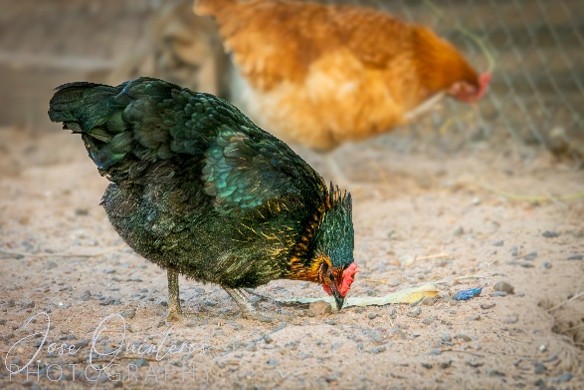
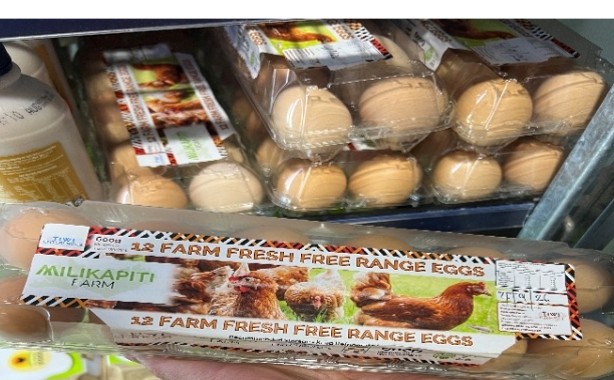
While at Milikapiti farm, the first action Jose and Wendy took was to assist with housing the roosters separately from the hens, preventing the sale of embryonated eggs and reducing stress on the hens. Then, the hens were checked to identify those that were laying eggs by assessing the space between their pelvic bones, a clear indication of the influence of the sexual hormones in charge of stimulating the ovary and inducing oviposition. Two groups of hens (layers and non-layers) were then also housed separately, and their daily egg production is being monitored. The excess roosters (more than 40 were originally kept, when no more than 10 were required for reproduction) were fed finisher feed to put on weight, and most of them have now been sold for chicken meat to the local community. Similarly, the non-laying hens will be fattened up before also being sold for chicken meat. Removal of these birds from the flock will help to immediately reduce feed costs by nearly 30%.
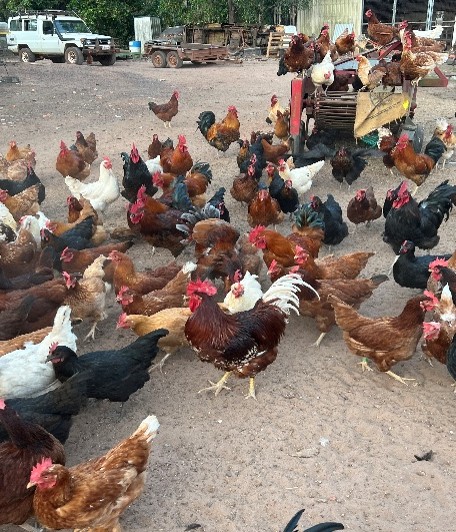
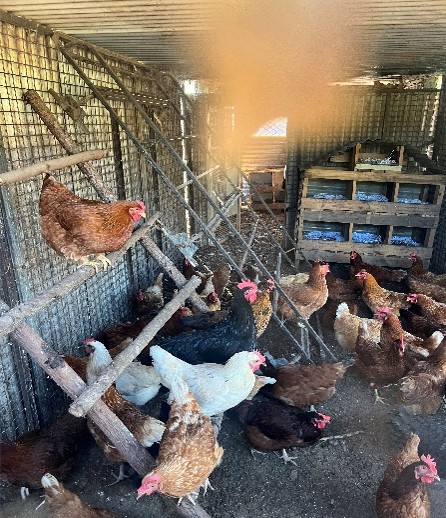
The next stage of Egg-spansion will be to increase the flock size through a small breeding program, where some hens will be housed with the remaining roosters for short periods of time (maximum 1 week), and fertile eggs will be collected and incubated. Hatched chicks will be grown separately from adults in pens, roosters and hens identified, and the hens will go on to produce eggs (free-range), while the roosters will be transferred to a chicken meat barn.
While at Milikapiti farm, Jose and Wendy were also treated to local Tiwi hospitality while sharing time with farm staff. This included a beach picnic (while keeping a close eye on a crocodile swimming nearby in the ocean), visiting areas of importance to the community, including an Indigenous burial site, the Jilamara Arts and Crafts Association in Milikapiti, water holes and waterfalls and, setting crab pots (though only a few small crabs were caught). Jose and Wendy will continue to work together with Craig and the farm team to progress Eggs-spansion and the benefits it can bring to the farm and Milikapiti community. They are very appreciative of this opportunity and sincerely thank Ms Jacomina Ardiri and Community First Development for supporting the project and their visit to Milikapiti and, Mr Craig Bate and the farm team for their amazing hospitality during their visit.